Band 4.5 IELTS Writing Task 1 Model Answer
Overall Band Score: 4.5 · IELTS Academic Practice Accelerator · 2026-11-09
IELTS Writing Task 1 question
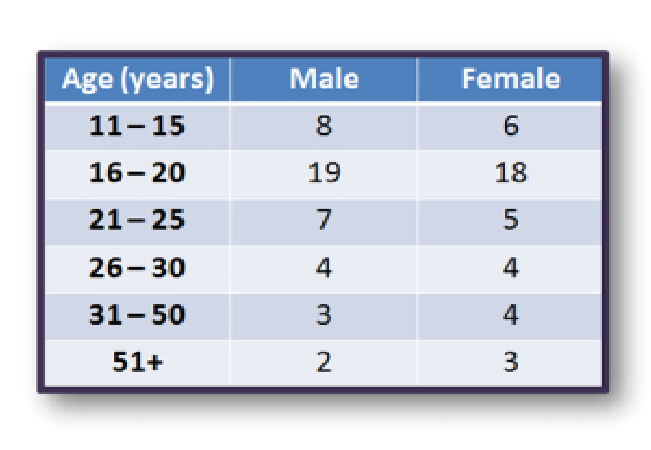
The table gives information about the average hours spent on the Internet by European people of different age groups.
Summarise the information by selecting and reporting the main features, and make comparisons where relevant.
Student answer (Band 4.5)
well the number from 11 to 15 increase 3 present to 16 to 20 years old thats mean that the need of teenager increases due to learning, entertainment, or communication and some teenager start to stream and make earns from YouTube and other platforms as well as some people use to entertain themselves watching them, that is what we call gen Z that raised up using more technology and awareness of surrounding. however, the drop of use in ages between 21 to 25 may be due to how old fashioned they are, or due to their busy during work and spent time try to earn money more than use it for entertain ignoring that internet make you earn a lot of money and also educate you but dropping of 31 presents this indicates of huge gap and differences between the generations, between 26 and 30 they start to be less care about the internet and less care about what happen in the world focusing only on their goals 51+ does not want anything from the world but to life in peace away from the world and headache that may internet may brings to him.
AI examiner evaluation
| Criterion | Band |
|---|---|
| Task Achievement / Task Response | 4.5 |
| Coherence and Cohesion | 4.0 |
| Lexical Resource | 5.0 |
| Grammatical Range and Accuracy | 5.0 |
| Overall | 4.5 |
Task Achievement / Task Response: Band 4.5
The response notices the broad pattern that internet use peaks among 16–20-year-olds and then falls in older groups, but it does not accurately report the table’s figures. For example, “increase 3 present” is unclear and does not identify the male and female values of 8 and 6 for ages 11–15 or 19 and 18 for ages 16–20. The claim of a “drop of use in ages between 21 to 25” is directionally correct, but the response omits the sex-based comparisons and several key values. Much of the answer speculates about teenagers, work, and older people’s attitudes rather than summarising the data; these explanations are not supported by the table. A clear overview and accurate selection of the main comparisons are needed.
Coherence and Cohesion: Band 4.0
There is a basic attempt to move through the age groups, using words such as “however” and “between,” so the reader can sometimes follow the intended trend. However, the response is presented as one long, loosely connected sequence, with no clear introduction or overview and no paragraphing to separate the data summary from commentary. Several ideas run together—for instance, the discussion of the 21–25 group shifts into work, earning money, and internet use without a clear link. The final references to ages 26–30 and 51+ are also difficult to connect to the preceding point. Organise the response into a short introduction, an overview, and grouped comparisons, and use linking words only where they clarify relationships.
Lexical Resource: Band 5.0
The response uses some relevant vocabulary, including “increase,” “drop,” “differences between the generations,” and “entertainment,” showing an ability to discuss broad trends and possible explanations. However, the range is limited and several choices are inaccurate or awkward, which sometimes makes the meaning difficult to follow. Phrases such as “the need of teenager increases,” “make earns,” and “less care about the internet” do not express the intended ideas naturally. The answer also relies on repeated general terms such as “internet” and “use,” while the task calls for precise language about hours and comparisons between males and females. Build a small set of accurate trend and comparison phrases, and prioritise neutral, data-focused vocabulary over speculative claims.
Grammatical Range and Accuracy: Band 5.0
The response attempts to connect ideas with longer clauses, including “that is what we call gen Z” and “this indicates of huge gap,” but these complex attempts are often faulty. Errors in sentence boundaries and clause structure make the answer difficult to read: the opening runs into several explanations without clear punctuation, and the sentence beginning “however, the drop” continues through multiple age groups without a complete, controlled structure. There are also recurring problems with verb forms and agreement, as in “the number … increase” and “51+ does not want.” Use shorter, complete sentences to report each comparison, check subject–verb agreement and verb forms, and add full stops to prevent ideas from running together.
See this exact question answered at other band scores. The same prompt compared across bands.
Browse more IELTS Writing model answers or get your own writing scored by the same AI examiner.