Band 6.5 IELTS Writing Task 1 Model Answer
Overall Band Score: 6.5 · IELTS Academic Practice Accelerator · 2026-11-09
IELTS Writing Task 1 question
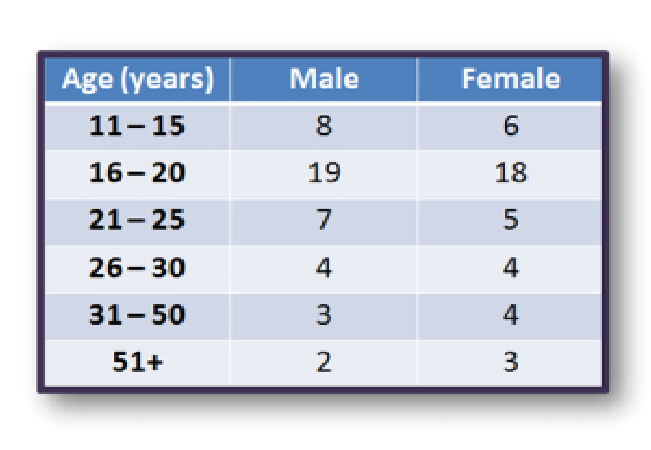
The table gives information about the average hours spent on the Internet by European people of different age groups.
Summarise the information by selecting and reporting the main features, and make comparisons where relevant.
Student answer (Band 6.5)
The table provides details about the mean time (in hours) passed on internet by people of Europe including males and females having different ages.
Overall, both males and femals falling in the age bracket of 16-20 years spend the most time on internet. Besides this, 26-30 years is the age period where both men and women pass equal amount of time on surfing internet. In addition to it, females in ages 26-30 years and 31-50 years consume same amount of time by being online. The average time spent on internet is increasing first and then decling with rising age.
The greatest time is spent on net by boys and girls of age period 16-20 years, which is 19 hours and 18 hours, respectively. The trend of average time increases in both the genders till they achieve 20 years of their age, then there is decline in it. The least hours online are spent by people aged 51+ years, as males spend 2 hours and females pass 3 hours on average.
AI examiner evaluation
| Criterion | Band |
|---|---|
| Task Achievement / Task Response | 6.5 |
| Coherence and Cohesion | 6.5 |
| Lexical Resource | 6.0 |
| Grammatical Range and Accuracy | 6.0 |
| Overall | 6.5 |
Task Achievement / Task Response: Band 6.5
You identify the main pattern accurately: both sexes reach their highest internet use at ages 16–20, and the 51+ group records the lowest figures. The overview also notes the general rise and subsequent fall, and the peak values are reported correctly. This covers the central features, with relevant comparisons between males and females. However, the overview includes a less important equality at ages 26–30 and a claim that women in the 26–30 and 31–50 groups spend the same time; the table shows 4 hours in both groups, but this detail receives more emphasis than the broader age-group comparisons. To strengthen the response, report the figures across the remaining groups more systematically, including the male-female differences at ages 11–15, 21–25 and 31–50.
Coherence and Cohesion: Band 6.5
The response has a clear overall arrangement: an introduction, an overview, and a final paragraph with supporting figures. The progression from the general pattern to the peak and lowest groups is easy to follow, and linking phrases such as “Overall” and “Besides this” help signal the structure. Some connections are less effective, however. “In addition to it” introduces another detail without clarifying its importance, while the final paragraph repeats the peak and decline already stated in the overview. The discussion also moves between age comparisons and gender comparisons without covering the groups in a consistent order. Grouping the figures by age range and using concise comparisons would make the progression more controlled and reduce repetition.
Lexical Resource: Band 6.0
You use an adequate range of vocabulary for describing the table, including “mean time,” “age bracket,” “average time,” and “decline.” These choices make the main trends understandable, and you attempt some variation with phrases such as “spend the most time” and “being online.” However, several expressions are unnatural or imprecise for this context: “time passed on internet,” “consume same amount of time,” and “time spent on net.” There are also spelling errors in “femals” and “decling.” Prefer standard collocations such as “time spent online” and “spend an equal amount of time,” and use “internet use” consistently. This would improve precision and naturalness while retaining the useful range already attempted.
Grammatical Range and Accuracy: Band 6.0
You use a mix of simple statements and more complex structures, including the overview sentence beginning “The average time…” and the clause “as males spend 2 hours and females pass 3 hours on average.” Most of the meaning remains clear, but some grammatical errors persist. For example, “both males and femals falling” is not a complete, correctly formed clause; write “both males and females in the 16–20 age group spend…”. In “26-30 years is the age period,” the subject and description are awkwardly constructed, and “equal amount” needs an article (“an equal amount”). The sentence about the trend would also be clearer as “Average time rises with age until 16–20, then declines.” More consistent control of articles, clause structure and sentence formation would improve accuracy.
See this exact question answered at other band scores. The same prompt compared across bands.
Browse more IELTS Writing model answers or get your own writing scored by the same AI examiner.