Band 5.5 IELTS Writing Task 1 Model Answer
Overall Band Score: 5.5 · IELTS Academic Practice Accelerator · 2026-11-14
IELTS Writing Task 1 question
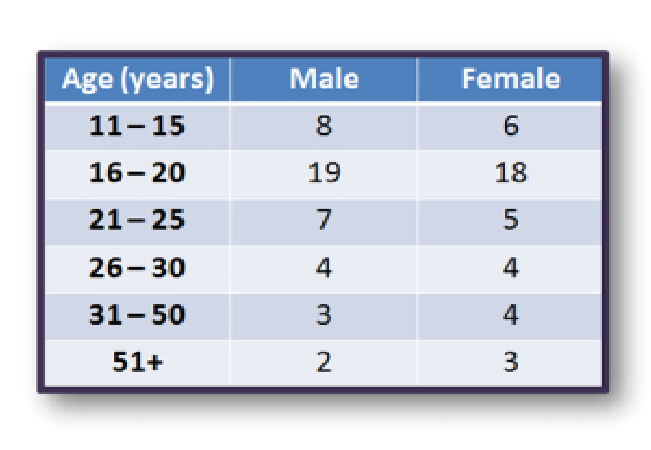
The table gives information about the average hours spent on the Internet by European people of different age groups.
Summarise the information by selecting and reporting the main features, and make comparisons where relevant.
Student answer (Band 5.5)
The table illustrate ,how much hours individuals of different age groups of Europe spent on internet on average.
overall people between 16 and 20 years spend most of their time on internet followed by childeren between 11 and 15 years. It also compare both male and female on basis of average hour spent on internet.
Genarally young individuals spent more time on internet. The tables represents boys between 11-15 years spend 8 hours while young people between 16-20 years spend most part of their time(19 hours) on internet,followed by 21-25 year old who spend only 7 hours.It also illustrates average hours spent by women on internet.Girls between 11-15 years spend average of 6 hours online while huge increase in average hour spending on internet is seen in girls between 16-20 years (18 hours),followed by girls between 21-25 who spent average of 5 hours on internet.
Moreover both male and female between 26-30 spend only 4 hours online , followed by 31-50 years old and in this age group female spend 4 while male only spend 3 hours in online activities.Elder people spent alot less time
AI examiner evaluation
| Criterion | Band |
|---|---|
| Task Achievement / Task Response | 6.0 |
| Coherence and Cohesion | 5.5 |
| Lexical Resource | 5.0 |
| Grammatical Range and Accuracy | 5.0 |
| Overall | 5.5 |
Task Achievement / Task Response: Band 6.0
You identify the main pattern accurately: the 16–20 group records the highest figures for both sexes, and usage generally falls among older groups. You also make relevant male–female comparisons, including the equal four hours for ages 26–30 and the female advantage among ages 31–50. However, the overview is incomplete because it does not mention the lowest figures for people aged 51 and over, and the final sentence about older people is unfinished. Some details are less fully reported: the 21–25 figures are included, but the 51+ values of two hours for males and three for females are omitted. A complete overview and a finished comparison of all age groups would make the key features clearer.
Coherence and Cohesion: Band 5.5
The response has a recognisable structure, moving from an introduction and overview to details about males, females, and the older age groups. Linking expressions such as “followed by” and “Moreover” help show comparisons. However, progression is not consistently clear: the overview repeats the idea that 16–20-year-olds spend the most time, and the final paragraph ends abruptly with “Elder people spent alot less time” without completing the comparison. Some transitions are mechanical, and the long middle paragraph combines several age groups and comparisons, making the information harder to follow. Organise the body into clearer comparison groups and use a concluding detail to complete the age trend.
Lexical Resource: Band 5.0
You use relevant vocabulary for describing the table, including “average,” “followed by,” “increase,” and “online,” so the main information is generally understandable. However, the range is limited and several choices are awkward or imprecise, such as “spend most part of their time,” “huge increase,” and “in online activities.” Repetition of “spend” and “hours” also makes the description less flexible. Spelling errors, including “childeren,” “Genarally,” and “alot,” are noticeable and reduce accuracy. Aim for precise, neutral reporting language and check spelling carefully; for example, describe figures as “recorded” or “stood at” a number rather than repeatedly saying people “spend” that amount.
Grammatical Range and Accuracy: Band 5.0
The response attempts both simple and more extended sentences, and the reader can usually understand the comparisons. However, errors in agreement, articles, verb forms, and sentence construction are frequent enough to make some sentences awkward. For example, “The table illustrate” needs a singular verb, while “people between 16 and 20 years spend” shifts inconsistently between a group and its members. The opening also has misplaced punctuation, and the final sentence is incomplete. Some clauses are joined without clear punctuation, as in the sentence beginning “It also illustrates average hours…” Practise accurate subject–verb agreement and complete sentence boundaries, then proofread articles and verb forms while retaining a mix of sentence patterns.
See this exact question answered at other band scores. The same prompt compared across bands.
Browse more IELTS Writing model answers or get your own writing scored by the same AI examiner.