Band 4.0 IELTS Writing Task 1 Model Answer
Overall Band Score: 4.0 · IELTS Complete Catalyst · 2026-11-16
IELTS Writing Task 1 question
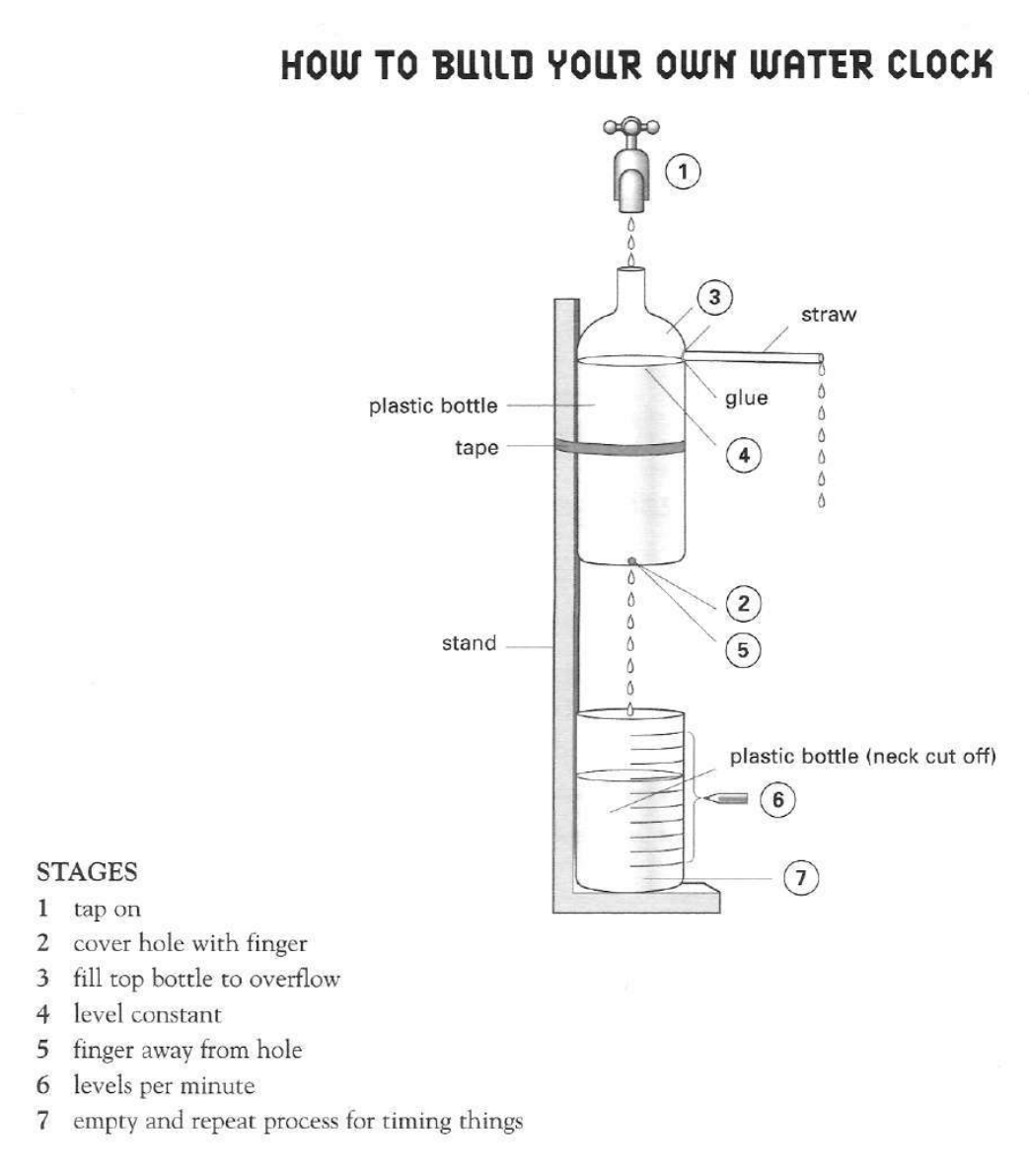
The diagram below shows the process for making a water clock.
Write a report for a university lecturer describing the information below.
HOW TO BUILD YOUR OWN WATER CLOCK
Student answer (Band 4.0)
The diagram illustrates showing the process how to make a water clock. There are several causes of the water clock method the name of top on , cover hole with finger and the fill top bottle to over flow these have a some procedure of the making water clock.
Overall, we can see the first and signicfant role when we drop the water in bottle. We can boil the water then droping the bottle. And then water take a limited choose one position don't up of the bottle. Then end of the bottle take cut of and next go to the plastic bottle is thats next the next process.
On the on side we look top on water filling in bottle and have 4 step in method one. first is top on the water dropping in bottle next one process is straw the water and then third process you take position limited water take.
AI examiner evaluation
| Criterion | Band |
|---|---|
| Task Achievement / Task Response | 3.5 |
| Coherence and Cohesion | 3.5 |
| Lexical Resource | 4.5 |
| Grammatical Range and Accuracy | 4.5 |
| Overall | 4.0 |
Task Achievement / Task Response: Band 3.5
The response recognises that the diagram concerns making a water clock and mentions a few relevant labels, including the tap, covering the hole, filling the bottle and a straw. However, it does not give a clear, accurate account of the process as a whole. Important stages—attaching the bottles to the stand, allowing water to overflow, removing the finger, marking the lower bottle’s water level each minute, and repeating the process for timing—are omitted or not explained. The claim that the water is boiled is not shown in the diagram, and the description of cutting the bottle is unclear. An overview is attempted, but it does not identify the main sequence or how the clock is calibrated. Focus on reporting the pictured stages in order and avoid adding unsupported steps.
Coherence and Cohesion: Band 3.5
The response is divided into paragraphs and uses a few sequencing expressions, such as “Overall,” “first,” “next one process,” and “then.” These show an attempt to organise the description. However, the progression is difficult to follow because the stages are not presented in a consistent order, and several sentences combine unclear or unrelated details. For example, the second paragraph moves from dropping water to boiling it, then to cutting a bottle, without making the relationships between these actions clear. References such as “these,” “one position,” and “thats next” also leave the reader unsure what is being described. A clearer structure would introduce the apparatus, summarise the process, and then explain the numbered stages in sequence using precise links.
Lexical Resource: Band 4.5
The response uses some task-related vocabulary, including “water clock,” “bottle,” “straw,” “tap,” and “cover hole with finger,” so the reader can identify the general subject. It also attempts process language such as “process” and “method.” However, the vocabulary is repetitive and often imprecise, which makes several details hard to interpret. Phrases such as “the first and signicfant role,” “limited choose one position,” and “the straw the water” do not convey clear meanings. There are also spelling and word-form problems, including “signicfant,” “over flow,” and “droping.” Build a more accurate set of process verbs and equipment terms, such as “attach,” “overflow,” “drip,” and “mark,” and use them in clear, natural combinations.
Grammatical Range and Accuracy: Band 4.5
The response attempts both simple statements and longer sentences, and it uses some sequencing language to describe actions. However, sentence structures are often incomplete or inaccurately formed, making relationships between ideas difficult to understand. For instance, “The diagram illustrates showing the process how to make a water clock” combines incompatible structures, while “And then water take a limited choose one position don't up of the bottle” lacks a clear grammatical pattern. Verb forms and agreement are also inconsistent, as in “water take” and “then third process you take position.” Articles and prepositions are frequently missing or misplaced. Practise forming complete sentences with a clear subject and verb, then use accurate passive forms where appropriate, such as “The upper bottle is attached to the stand.”
See this exact question answered at other band scores. The same prompt compared across bands.
Browse more IELTS Writing model answers or get your own writing scored by the same AI examiner.